

Sahin Lab
People
Principal Investigator
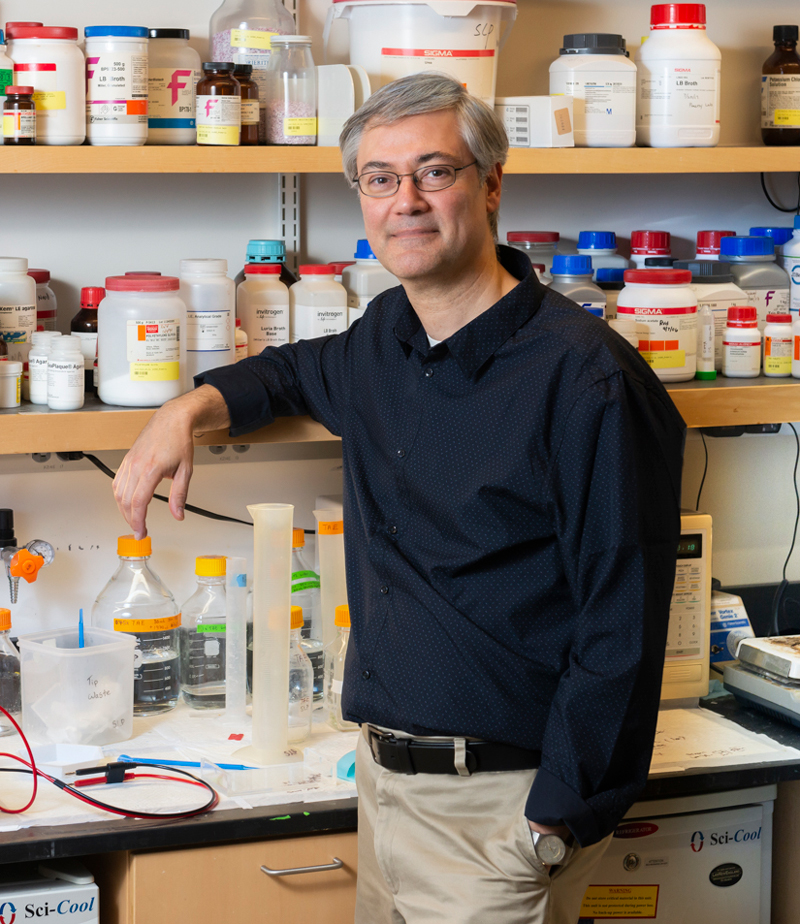
Mustafa Sahin, MD, PhD
Neurologist-in-Chief, Department of Neurology; Managing Director, Rosamund Stone Zander & Hansjoerg Wyss Translational Neuroscience Center; Co-Director of the IDDRC (Intellectual and Developmental Disabilities Research Center); Director of the Translational Research Program at Boston Children’s Hospital; Bronson Crothers Chair Professor of Neurology, Harvard Medical School
The Sahin lab has generated multiple lines of evidence that the TSC/mTOR pathway plays crucial roles in axon specification, guidance, myelination, and regeneration. More recently, the team has investigated the role of the TSC/mTOR signaling cascade in specific brain circuits. The lab created a cerebellar Purkinje neuron–specific Tsc1 knockout mouse that exhibits autism-relevant phenotypes, including impaired social interaction and increased repetitive behaviors. Importantly, treatment with an mTOR inhibitor prevents the development of these behaviors, but only during defined critical periods. These findings support the notion that neurological defects in Tsc-deficient mice can be blocked by postnatal mTOR inhibition and have informed the design of clinical trials in patients with TSC, including a neurocognition study led by Dr. Sahin. Furthermore, MRI and EEG studies in children with TSC demonstrate marked deficits in neuronal connectivity that correlate with neurodevelopmental outcomes. Diffusion MRI abnormalities in individuals with TSC align with the myelination deficits observed by the Sahin lab in mouse models and are being evaluated as biomarkers in ongoing clinical trials.
Current Lab Members
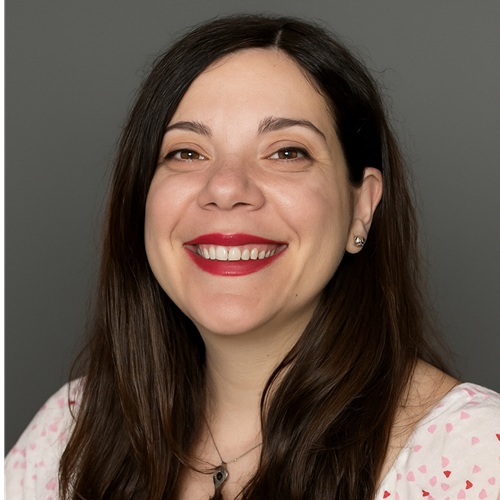
Angelica D’Amore, PhD
Staff Scientist/Lab Manager
BS (Biotechnology), MS (Biotechnology for Health), University of Messina, Italy
PhD (Molecular Medicine), University of Siena, Italy
Angelica investigates the mechanisms of and potential drug therapies for neurodevelopmental disorders such as TSC, PHTS and CDKL5, using in-vivo models and in-vitro primary neuronal cultures. She also manages lab protocols and supervises daily lab operations.
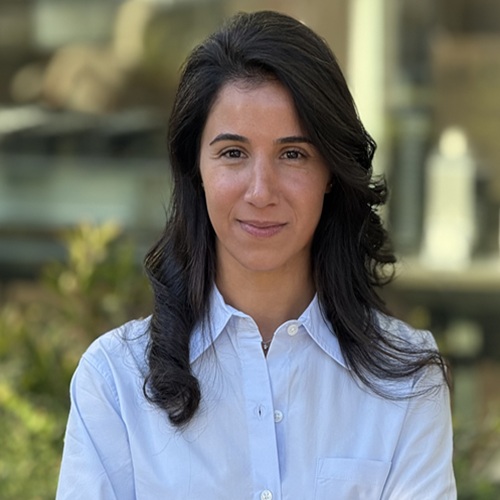
Wardiya Afshar Saber, PhD
Staff Scientist
PhD, School of Medicine, University of St. Andrews, UK
Wardiya studies Tuberous Sclerosis Complex (TSC) and SSADH Deficiency, modeling these disorders using human induced pluripotent stem cells (hiPSCs) and integrating optogenetic tools to investigate disease mechanisms and develop drug screening platforms.
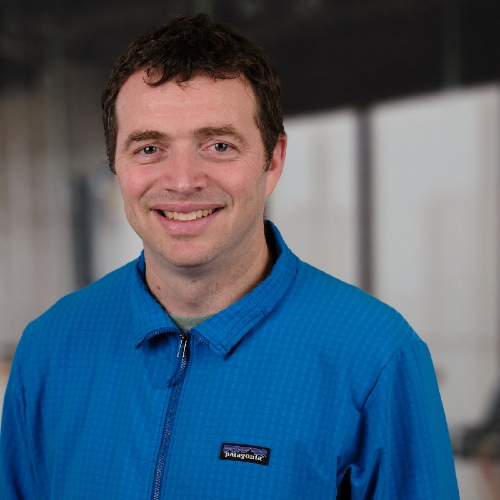
Kellen Winden, MD,PhD
Instructor
MD, PhD UCLA
Kellen is interested in using induced pluripotent stem cells to study the pathogenesis of neurogenetic disorders. He has particularly focused on Tuberous Sclerosis Complex and found both cell autonomous and non-autonomous pathways by which early differentiation and/or maturation are disrupted. He is interested in continuing to understand these mechanisms to identify potential treatments to address such abnormalities, as well as to determine if these pathological processes apply to other neurodevelopmental disorders.
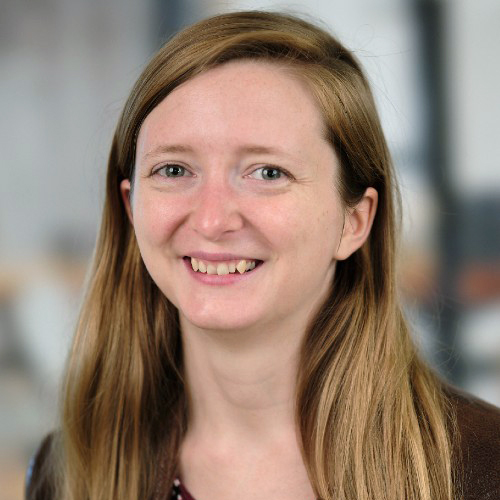
Rose Glass, PhD
Postdoctoral Fellow
BS, Haverford College
PhD, University of North Carolina at Chapel Hill
Rose Glass is a post-doc research fellow in the Sahin Lab. She uses patient derived human organoid models to study cellular and molecular changes in Tuberous Sclerosis Complex and CDKL5 Deficiency Disorder. She applies high fidelity cellular model systems to understand neuropsychiatric disorders, particularly autism spectrum disorder.
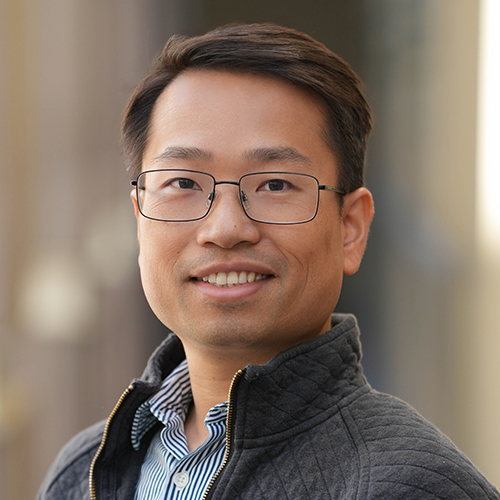
Henry Lee, MPhil, PhD
Senior Scientist
BSc (Biochemistry), MPhil (Neuroscience), Hong Kong University of Science and Technology
PhD (Neuroscience), University College London, UK
Henry works on two projects in the Sahin lab: 1) Investigating therapeutic efficacy of Flt3 kinase inhibitor in PTEN deficiency, and 2) Developing pharmacotherapy by NMDA receptor negative allosteric modulator in Tuberous Sclerosis Complex.
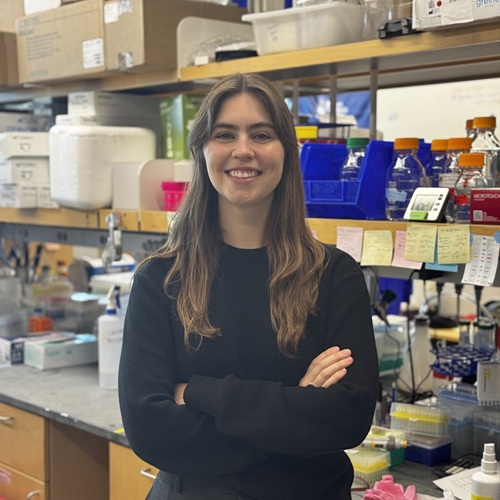
Katie Donovan, BS
PhD Student; Harvard Biological Sciences in Public Health PhD Program
BS (Biochemistry), Worcester Polytechnic Institute
In the Sahin lab, Katie is investigating how the primary cilium, a sensory organelle, is altered in tuberous sclerosis complex (TSC). Specifically, she wants to understand why neurons in TSC patients are less often ciliated, and if this loss of cilia contributes to TSC’s neurological symptoms.
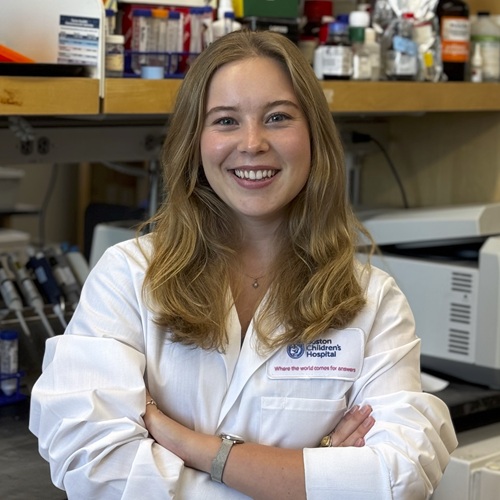
Sarah DeRosa, BS
Research Assistant
BS (Neuroscience), Union College
In the lab, Sarah works with Dr. Kellen Winden on patient derived iPSC lines, neurons and organoids.
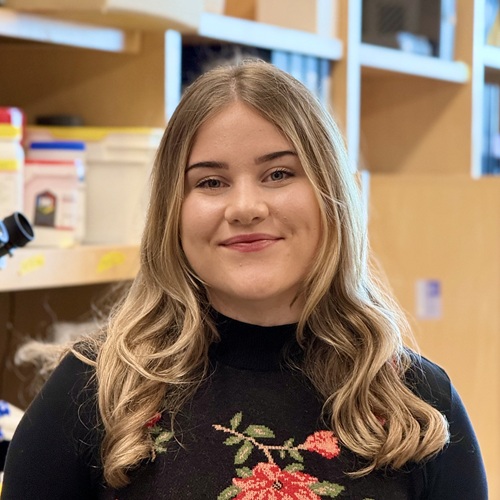
Rachel Hobson, BS
Research Assistant
BS (Biology and Psychology-Neuroscience), University of Massachusetts Amherst
Rachel is a research assistant for Dr. Wardiya Afshar-Saber, focusing on optical-based techniques, namely calcium imaging, in human iPSC-derived neurons and cortical organoids.
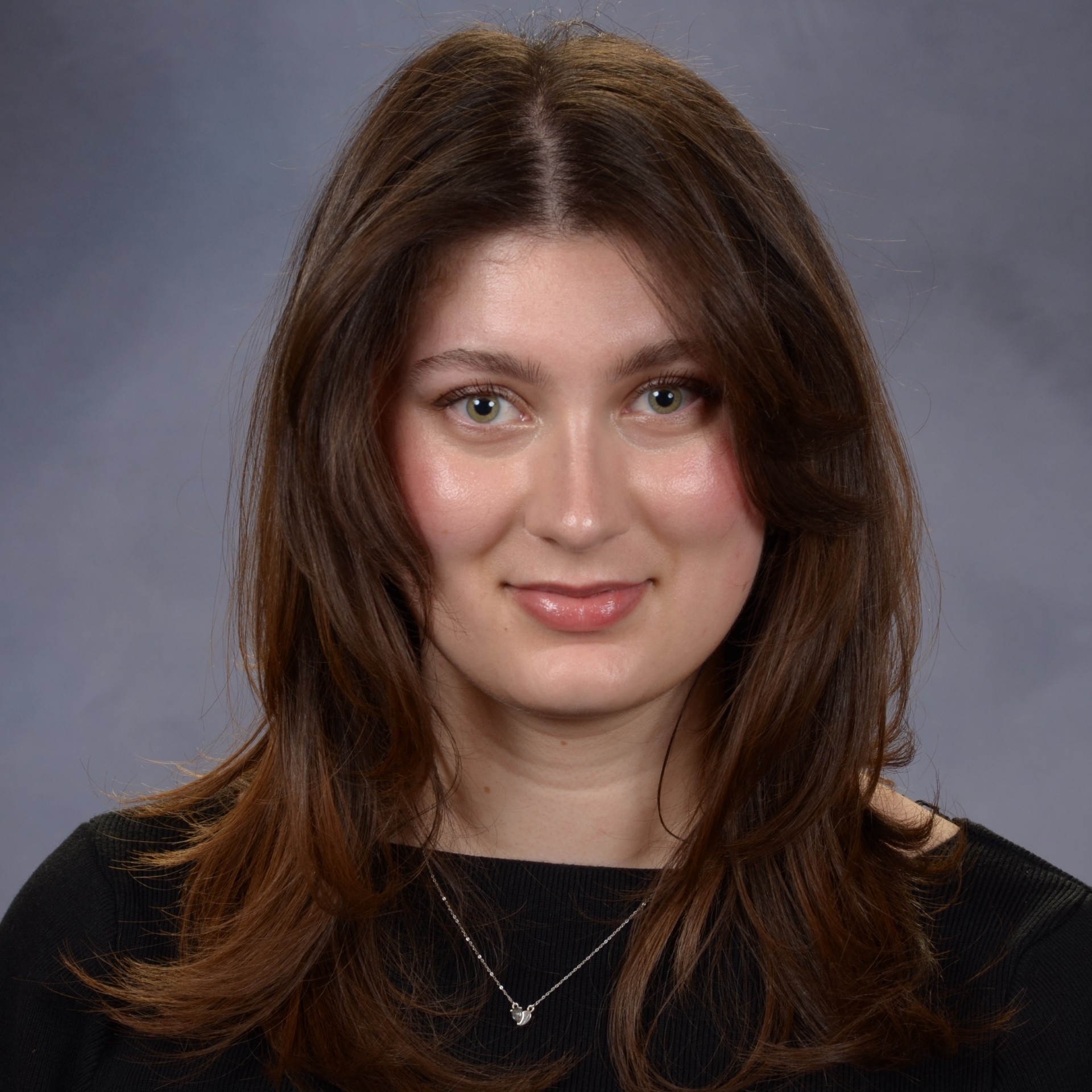
Maia Sheppard, BA
Research Assistant
BA (Biology and Public Health) Williams College
Maia is a research assistant for Dr. D’Amore, exploring the mechanisms of drug therapies for neurodevelopmental disorders using in vivo models.
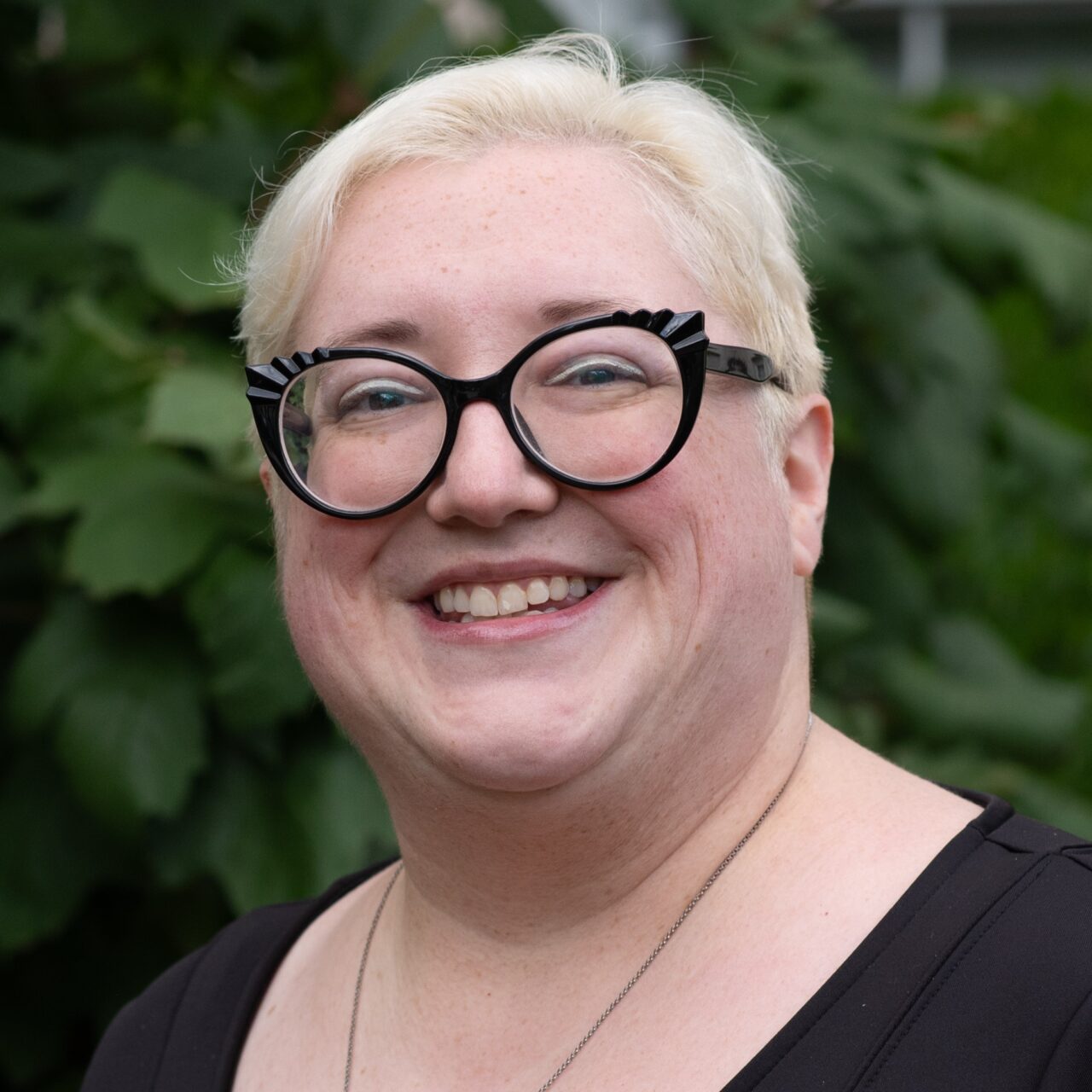
CJ Johnson, BA
Executive Assistant to Mustafa Sahin
BA (Writing, Literature, and Publishing), Emerson College
CJ spent nearly twenty years as an administrative professional in the Radiation Oncology department at Brigham & Women’s Hospital. She then joined the Sahin Lab as Dr. Mustafa Sahin’s executive assistant in 2022. In that role, she manages Dr. Sahin’s calendar, supports his lab, and works closely with the TNC executive team to organize meetings, symposia, seminars, and other special events.